


While the IRS appeals a federal court ruling on tax penalties collected during the COVID pandemic, filers who paid them need to go ahead and file for possible tax refunds by July 10.

House fans can help, but an operational air conditioner is better. Federal tax breaks used to help pay for some energy efficient residential HVAC systems. Now that Uncle Sam’s tax credits are gone, some states are stepping in to help their residents chill, literally and economically.

A new International Olympic Committee $140 million fund will dispense grants of up to $10,000 to eligible athletes. Added money shouldn’t pose a tax problem for many U.S. Olympians, thanks to a 2016 tax law change.

Some IRS Taxpayer Assistance Centers will be open one final Saturday on June 27. The offices won’t have a flashy “Open” sign, but agents will welcome taxpayers who can’t make weekday meetings.

An Internal Revenue Service watchdog found the agency recently received billions in unidentified payments. Modernized operations will reduce unaccounted-for amounts. Taxpayers can help, too, by taking advantage of various IRS electronic options.
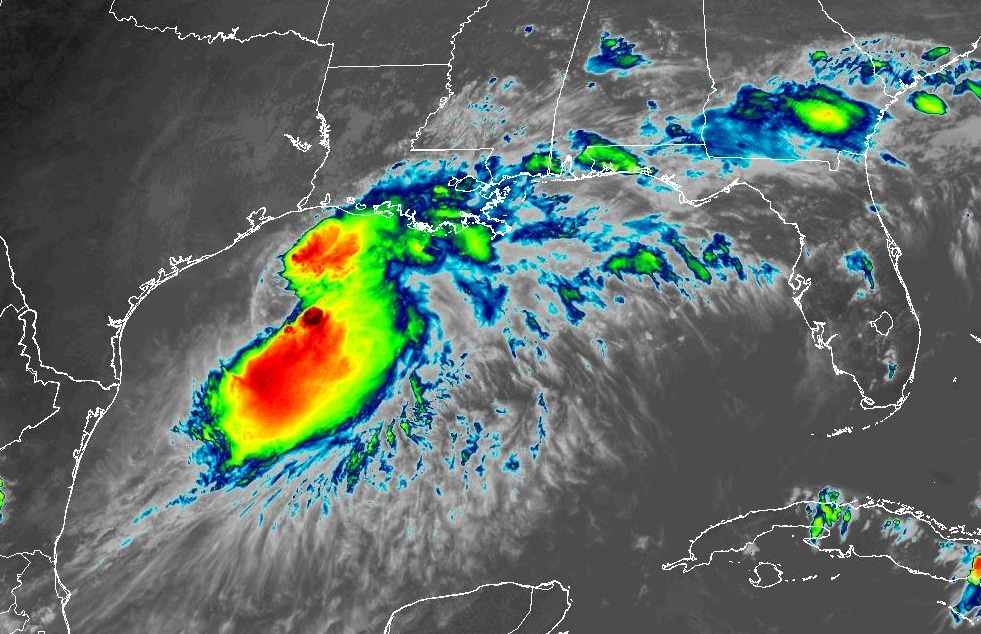
Tropical Storm Arthur as it moved toward the Texas cost on June 17. Its deadly landfall underscores the need to prepare for hurricanes and all natural disasters.

Many young people take food service jobs during the summer. It’s a good way to learn about the working world. Regardless of your age, seasonal income also has tax implications.

June 15 is Tax Day for millions of U.S. taxpayers. Those living and working abroad must file their 1040s. And those who owe estimated tax must make this year’s second payment.

Inflation is a double-edged sword for retirees. Cost-of-living increases will bump up Social Security payments next year. But some could face tax on those bigger benefits.

While some put prediction markets on par with psychic readings, millions disagree, buying contracts on anything, including sports outcomes. A gaming trade group says that’s no more than illegal, unregulated sports betting. And that it costs states needed tax revenue.

Definitely take a break this June. But taxes don’t take vacations. So, you also should make time for some tax tasks. Some will keep you out of tax trouble. Others could mean tax savings.

Hurricane damage is a constant threat to U.S. coastal communities during the annual June 1 through Nov. 30 tropical storm season. But as the storms move inland, landlocked areas also face risks. Get ready before one strikes, or even forms in the Atlantic or Gulf of Mexico.

Ah, June. We’ve been waiting for you! No school. Vacations. Taxes. Yep, taxes. They don’t take any time off any time of the year. But these June tax tips can help, possibly saving you enough to extend your holiday.

The annual April 15 federal tax return filing deadline doesn’t apply to all U.S. taxpayers. Tax Day is June 15 for taxpayers living and working abroad, including military personnel posted outside the United States or Puerto Rico. Residents of major natural disaster areas also get more time to file, and in some cases pay what they owe.
The National Hurricane Center’s image of Tropical Storm Andrea. The first named system of the 2025 Atlantic hurricane season formed in the central Atlantic Ocean, meaning it’s not a threat to make landfall. June 1, 2026 note: This post was published almost a year ago with a slightly different headline (Resources to deal with disasters, as 2025 hurricane season gets its first named storm), but its information is still valid. You can read the most recent version of hurricane preparation, both physical and financial/tax moves to make in advance of storms, in Hurricane 2026 preparation and tax tips. And…
Mother Nature can turn deadly year-round. Tornadoes, hurricanes and even winter storms strike beyond their seasonal boundaries. Prepare beforehand, including by taking a pre-disaster inventory.
June
The More Tax Posts tab at the top of this page will take you to, well, more tax posts. You also can search below for a tax topic.

October 16, 2026
A multi-agency law enforcement effort has swept up more than 70 alleged tax fraudsters. Federal…
We made it. Tax Day 2025 is finally over. For most of us. When the filing season started on Jan. 26, millions who were expecting refunds filed immediately. Most of us got our returns to the Internal Revenue Service by April 15. But plenty of taxpayers also got extensions. They are looking at an Oct. 15 filing deadline.
Those procrastinating filers aren’t a problem. In fact, the IRS appreciates taxpayers who take time to fill out their 1040 forms correctly. It also is grateful that tax submissions are spread out a bit, especially now that the IRS is a leaner agency. Processing returns is easier when they arrive throughout the year instead of in massive bunches.
But enough about Uncle Sam’s tax collection issues. The focus now is on all y’all who filed for extensions, giving you another six months to complete your return. Since your new mid-October due date will be here before you know it, let’s get started now on meeting it.
The ol’ blog is here to help you finish up your extended Form 1040. You can start with January’s tax tips page, which has links to the rest of the year’s tips by-month collections. You also can peruse various tax categories for more tailored advice by clicking on the More Tax Posts drop-down menu at the top of this (and every) page.
And to make sure you don’t miss your new filing deadline, the count-down clock below will let you know just how much time you to file by Oct. 15. At the latest.e. (Note: I’m in the Central Time Zone, so adjust accordingly for where you live.)